




Amarantha Ayurveda | 03 Nov, 2025

Hair oiling is a time-honored practice in many cultures, often linked to promoting healthy hair and adding a natural shine. Whether you’re looking to nourish your scalp, soften your strands, or simply treat your hair to some extra care, oiling is an easy and effective way to do so. But how do you oil hair properly, and which oil is best for hair? Let’s explore everything you need to know about the oiling process and tips for maintaining healthy hair.
Why Should You Apply Oil to Hair?
Before we get into the "how-to" of oiling your hair, let’s understand why it’s beneficial. Oiling supports hair health by providing moisture, helping to keep your strands hydrated. It can also help nourish the scalp and reduce frizz. The right oil can protect your hair from damage caused by environmental factors and styling tools. Additionally, regular oiling might help improve the overall look and feel of your hair.
When to Apply Hair Oil?
Timing is key when it comes to hair oiling. Ideally, you should apply oil to your hair before washing it. This helps in locking in moisture and providing nourishment to your scalp and hair. Many people prefer to oil their hair at night and leave it overnight for better absorption. However, if you have a busy schedule, applying oil for at least 30 minutes before washing is a great option.
As for how often to oil hair, this depends on your hair type and needs. For normal hair, once or twice a week is enough. However, if you have dry or damaged hair, you might benefit from oiling your hair more frequently. It's important not to overdo it, as excessive oil can leave your hair feeling greasy and heavy.
Which Oil Is Best for Hair?
Choosing the right oil for your hair depends on your specific needs. Here are some of the most popular oils for different hair concerns:
-
Coconut Oil: Great for deep nourishment, coconut oil helps moisturize the hair and scalp, and is often considered the best for promoting healthy hair.
-
Argan Oil: Known for its ability to help tame frizz and add a natural shine to the hair, argan oil is perfect for dry or frizzy hair types.
-
Olive Oil: Olive oil is often used for its moisturizing benefits and can help with dry, damaged hair.
-
Almond Oil: Rich in vitamins, almond oil is known to help nourish and support hair texture.
-
Amla Oil: Rich in antioxidants, amla oil can support scalp health and support hair from the roots.
If you're wondering, does oil help hair grow? The answer is that while oiling supports a healthy scalp, hair nourishment, and reduces breakage, hair growth is influenced by several factors, including genetics, diet, and overall hair care routine. So while oiling can support the process, it’s not a guaranteed growth solution.
How to Apply Oil to Hair
Now, let’s dive into the process of how to oil hair properly. Here’s a step-by-step guide:
-
Select Your Oil: Choose the oil that best suits your hair type and needs (as mentioned above).
-
Warm the Oil: Gently heat the oil before applying it. This helps in better absorption and ensures you get the maximum benefits from the oil. You can warm the oil in a bowl by placing it in hot water or heating it in the microwave for a few seconds.
-
Part Your Hair: Divide your hair into sections to ensure the oil is evenly distributed. Start from the roots and work your way down to the tips.
-
Massage the Scalp: Using your fingertips, gently massage the oil into your scalp. This not only ensures the oil reaches the roots but also helps improve blood circulation, which can support overall scalp health.
-
Apply to Hair Length: Once your scalp is covered, apply oil to the lengths of your hair, focusing on the ends, which tend to be drier.
-
Leave It On: After oiling, leave it on for at least 30 minutes, or longer if you can. For deeper nourishment, you can leave it overnight.
-
Wash and Condition: After the oil has had enough time to work its magic, wash your hair with a mild shampoo to remove the oil. Follow up with a conditioner to lock in moisture.
How Often Should You Oil Your Hair?
The frequency of oiling depends on your hair’s needs. If your hair is naturally oily, you may not need to oil as often. However, for dry or damaged hair, you may find that oiling once or twice a week makes a noticeable difference in texture and manageability.
A good rule of thumb is to listen to your hair, if your hair feels dry or brittle, it's time for an oil treatment. For those with oily scalp, oiling once every two weeks should be sufficient. Experiment and see what works best for you.
Benefits of Regular Hair Oiling
Regular oiling helps maintain the natural moisture of your hair and supports a healthy scalp. Here are some benefits of incorporating oiling into your routine:
-
Soft, Shiny Hair: Oiling can help you achieve soft, smooth hair with a natural shine.
-
Helps Strengthened Roots: Oil helps to nourish the scalp, strengthening the hair roots and reducing breakage.
-
Reduced Frizz: Oils like argan and coconut oil can help tame frizz and make hair more manageable.
-
Scalp Health: Regular oiling can support healthy circulation, which is important for healthy hair growth.
Amarantha Ayurveda Hair Oil
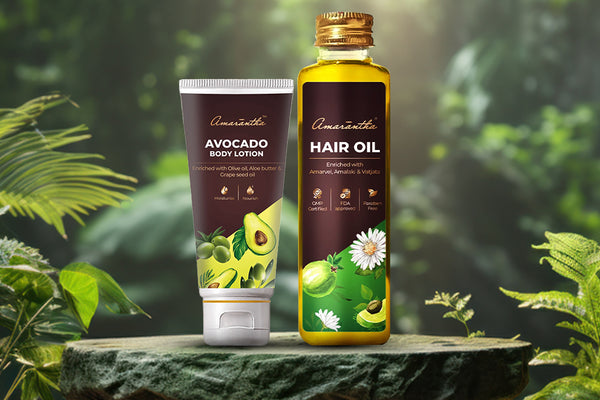
If you're looking for a natural oil option for healthy hair, Amarantha Ayurveda Hair Oil offers a balanced formula that gently cares for your scalp and supports your hair. It is devoid of any color and fragrance. Whether you’re looking for soft, shiny hair or a soothing scalp treatment, a good hair oil can make a world of difference.
Conclusion
Properly oiling your hair can be a simple yet powerful addition to your hair care routine. Whether you choose coconut oil, argan oil, or a blend of oils, consistency is key to achieving healthy, nourished hair. Remember, the goal is to support your hair's natural health and texture without overloading it with too much product. If you’re looking for a quality oil to include in your regimen, Amarantha Ayurveda offers a hair oil that helps keep your scalp nourished and hair looking healthy.